What Services Do Full-Service Corporate Event Agencies Actually Provide?
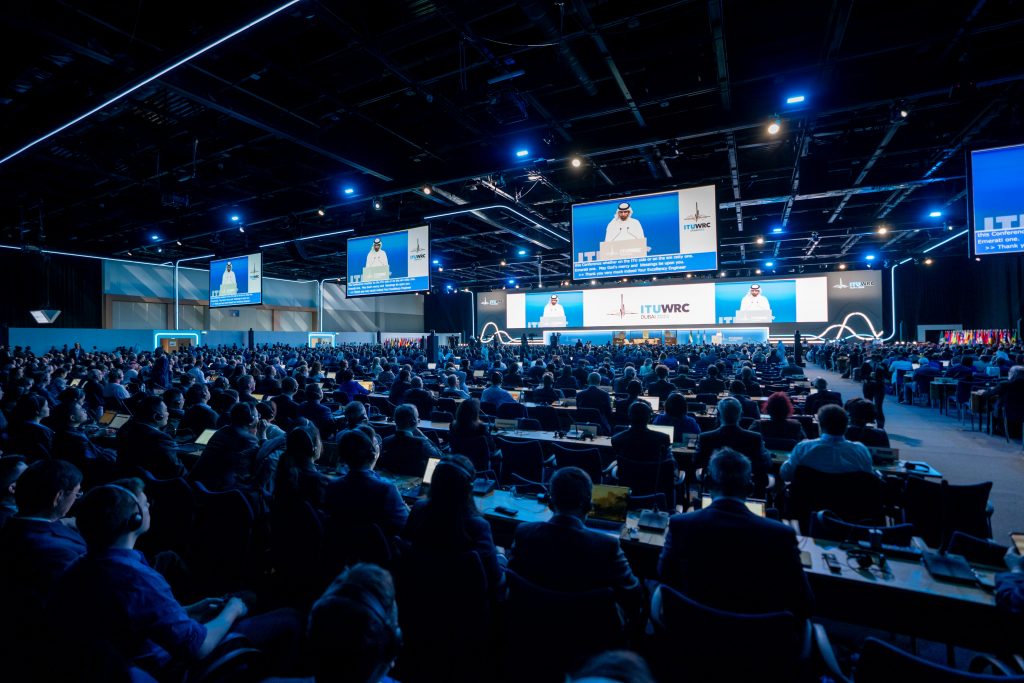
A corporate event may look simple to guests, but countless details have to come together behind the scenes to make that experience possible. Venue coordination, event design, production, entertainment, catering, guest management, branding, and on-site support can all fall under one team’s responsibility. Full-service agencies bring these elements together instead of leaving businesses to coordinate multiple suppliers themselves.
Let’s look at what you can expect when working with experienced corporate event management companies and how their services can simplify the entire process.
Strategy and event concept
A full-service agency defines the event purpose, audience, format, budget, and key messages. Specialists develop a concept matching brand identity and business goals. They suggest themes, venue styles, engagement ideas, and content. This stage guides later decisions and keeps the gathering aligned with its purpose.
Venue and vendor coordination
Venue sourcing forms a service. Teams research spaces, review capacities, compare facilities, negotiate terms, and coordinate booking details. They select caterers, decorators, entertainers, transport providers, security teams, photographers, and technical suppliers. One team manages vendor communication and helps suppliers follow the agreed schedule.
Creative design and branding
Creative specialists develop visual identity across invitations, stage graphics, signage, digital screens, registration areas, presentations, and materials. Designers keep colours, typography, imagery, and messaging consistent. Agencies may also develop stage concepts, photo areas, themed installations, and promotional content that give the occasion a polished look.
Production and technical support
Production teams manage staging, lighting, sound, screens, microphones, presentation systems, recording equipment, and technical equipment. Specialists schedule installation, testing, rehearsals, speaker sessions, and live operation. Technical coordinators monitor equipment, respond to faults, and let presenters focus on guests.
Guest management and onsite support
Guest services cover invitations, registration, confirmations, seating plans, welcome desks, attendee communication, and access arrangements. On site coordinators guide guests, assist speakers, supervise schedules, and communicate with suppliers. They handle last minute adjustments discreetly.
Budget and logistics management
Financial coordination includes budget creation, supplier quotations, contract review, payment schedules, expense tracking, and reconciliation. Logistics teams manage transport, equipment movement, setup timings, storage, staffing, permits, and venue details. Agencies monitor spending and highlight financial changes early, helping organisers control resources and protect key priorities.
After the gathering, agencies collect attendee feedback, review registration figures, assess engagement, examine media coverage, and analyse operational results. Teams prepare reports highlighting achievements, challenges, attendance patterns, audience responses, and lessons. This information gives leaders evidence to refine budgets, improve guest experiences, and set measurable objectives.