The Do’s And Don’ts Of Self Storage Units
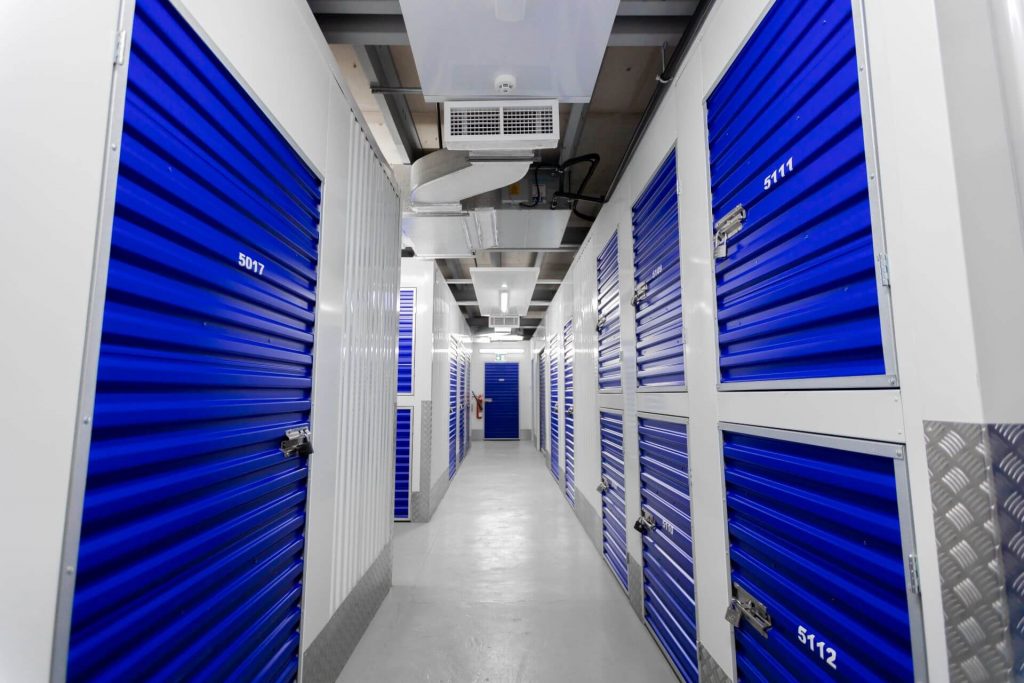
A tidy storage unit saves space at home, protects treasured belongings, and makes busy periods easier to manage. Poor packing, unsuitable containers, and forgotten rental terms can cause costly trouble. A few sensible habits help renters avoid common mistakes.
The best self storage companies in Dubai also offer guidance, helping customers keep their possessions secure, organised, and in good condition.
Do choose the right unit size
Estimate the space your belongings occupy before signing a rental agreement. Make a list of large furniture, boxes, appliances, and seasonal items. Leave room for safe movement inside the unit. A unit that feels too small leads to cramped stacking, while an oversized space may increase monthly costs without adding real value.
Don’t store prohibited or risky items
Avoid placing fuel, paint thinners, fireworks, chemicals, perishable food, or other hazardous materials inside a storage unit. Such goods may attract pests, produce strong odors, or create fire risks. Check facility rules before packing unusual items. Keep valuable documents, cash, jewelry, and irreplaceable keepsakes in a secure location suited to their value.
Do pack belongings with suitable materials
Use sturdy boxes, protective covers, bubble wrap, and clean containers to guard possessions against dust and minor damage. Label every box clearly with its contents. Place heavier boxes at the bottom and lighter ones above. Wrap furniture edges, protect glass surfaces, and keep mattresses in breathable covers to limit moisture problems during storage.
Don’t ignore ventilation and moisture
Avoid storing damp clothes, wet furniture, or unclean appliances. Moisture encourages mould, mildew, and unpleasant smells, particularly during humid months. Clean and dry every item before packing. Leave small gaps between boxes and walls to support airflow. Choose climate-controlled storage when sensitive belongings require stable temperature and humidity levels.
Do keep an inventory
Record each box, furniture item, and appliance before moving belongings into the unit. Add photographs and mark box labels with simple numbers. Store a copy of the inventory digitally so you can check its contents later. Place frequently used items near the entrance and keep a clear aisle through the unit.
Don’t overlook your rental agreement
Read payment terms, access hours, insurance details, and late fee policies before signing. Ask staff about security measures, emergency contacts, and restrictions on stored goods. Visit the facility occasionally to check your unit. Good habits and clear communication help protect possessions and make storage a much smoother experience.